
5mm laminated glass
Understanding Gate Valves An Overview Gate valves are essential components in various piping systems, primarily used to control the flow of liquids and gases. One specific model, the gate valve size 2 x 1 x 16, offers a blend of versatility and efficiency that serves many industrial applications. Understanding Gate Valves An Overview The 2 x 1 x 16 size designation refers to the valve's inlet and outlet dimensions, as well as its overall height. The 2-inch inlet suggests a moderate capacity for fluid transfer, suitable for both water and various industrial fluids. The 1-inch outlet allows for specific flow control, while the 16-inch height indicates that this valve can be conveniently integrated into a piping system without occupying excessive space. gate valve 2 1 16 Materials used in the production of gate valves are crucial for their durability and functionality. Common materials include brass, stainless steel, and carbon steel, each offering unique advantages. Stainless steel, for instance, is resistant to corrosion and enhances the valve's longevity, making it a preferred choice in harsh environments. On the other hand, brass gate valves are often favored for their reliability and cost-effectiveness. Installation and maintenance of a gate valve require proper procedures to ensure optimal performance. When installing the 2 x 1 x 16 gate valve, it's essential to position it correctly in line with the flow direction indicated on the valve body. Regular maintenance checks are necessary to identify any signs of wear or potential leakage. Proper lubrication of the stem and ensuring the seating surfaces are free from debris will help maintain the valve's functionality over time. In systems that frequently start and stop, gate valves may not be the best choice due to their slower operation. In such cases, other types of valves, like ball or globe valves, might be more appropriate. However, for applications requiring infrequent adjustments to the flow, gate valves provide reliable isolation, making them a staple in various industries, including water treatment, oil and gas, and manufacturing. In conclusion, the gate valve size 2 x 1 x 16 encapsulates the key features that make gate valves fundamental to industrial applications. Their ability to control flow effectively, combined with a straightforward operational mechanism, underscores their importance in fluid mechanics and system design.
about
5mm laminated glass
Control Valves and Their Types Control valves are essential components in various industrial processes, serving as the regulatory mechanism that controls fluid flow, pressure, temperature, and other parameters in a system. These valves are the backbone of process control, enabling plants to operate efficiently and safely. Understanding the different types of control valves and their functions can significantly enhance process performance and reliability. What is a Control Valve? At its core, a control valve is a device that regulates the flow of fluid by varying the size of the flow passage. It receives signals from a controller (usually based on measurements from sensors) and adjusts the valve position accordingly to maintain the desired operating conditions. Control valves can handle fluids in various states, including gases, liquids, and slurries. Types of Control Valves 1. Globe Valves Globe valves are one of the most widely used types of control valves. They consist of a spherical body with an internal baffle that directs the fluid flow. The flow capacity is easily controlled due to their tight sealing and adjustable flow characteristics. Globe valves are ideal for applications requiring throttling and precise flow control. 2. Ball Valves Featuring a spherical disc (the ball), ball valves offer quick operation and are excellent for on/off control. Their sealing capability allows for minimal leakage, making them suitable for applications requiring high pressure and temperature. While they are less effective at throttling compared to globe valves, newer designs with modified ports can offer better control. control valve and its types 3. Butterfly Valves Butterfly valves consist of a rotating disc that allows for easy regulation of flow. They are lightweight and compact, making them suitable for large pipes where space is a concern. Butterfly valves are often used in applications requiring quick shut-off and moderate throttling capabilities. They are commonly found in water and wastewater treatment facilities. 4. Diaphragm Valves Diaphragm valves utilize a flexible diaphragm to control flow. This design isolates the fluid from the valve's internal components, making them ideal for corrosive or hygienic applications. Diaphragm valves are commonly used in the pharmaceutical and food industries, where cleanliness and precise flow control are crucial. 5. Check Valves While not traditional control valves, check valves play an essential role in preventing backflow in piping systems. They automatically close when fluid attempts to flow backward, protecting pumps and other equipment from damage. There are various designs of check valves, including swing check, lift check, and ball check valves. 6. Pressure Relief Valves These valves are critical for safety in pressurized systems. Pressure relief valves automatically vent excess pressure when it exceeds a predetermined threshold, preventing catastrophic failures. They are essential in systems where pressure buildup could pose a risk to equipment and personnel. Conclusion Control valves are a vital part of industrial processes, ensuring optimal performance and safety across various applications. Understanding the different types of control valves—globe, ball, butterfly, diaphragm, check, and pressure relief valves—allows engineers and operators to select the appropriate devices for their specific needs. Each type has unique advantages and potential applications, and careful consideration should be given to their selection, installation, and maintenance. In conclusion, the choice of control valve can significantly impact the efficiency and safety of an industrial process. By leveraging the appropriate type and understanding their operational characteristics, facilities can enhance process control and ensure the longevity of their equipment. As industries evolve, the development of advanced control valves continues to play a crucial role in meeting the increasing demands for reliability, efficiency, and safety.
-

High quality industrial productsagement

High quality industrial products
View Details -

Meet the diverse needs of customers

Meet the diverse needs of customers
View Details -

Strict quality control

Strict quality control
View Details -

Top raw materials

Top raw materials
View Details -

Trusted supplier

Trusted supplier
View Details
Our application


news and information

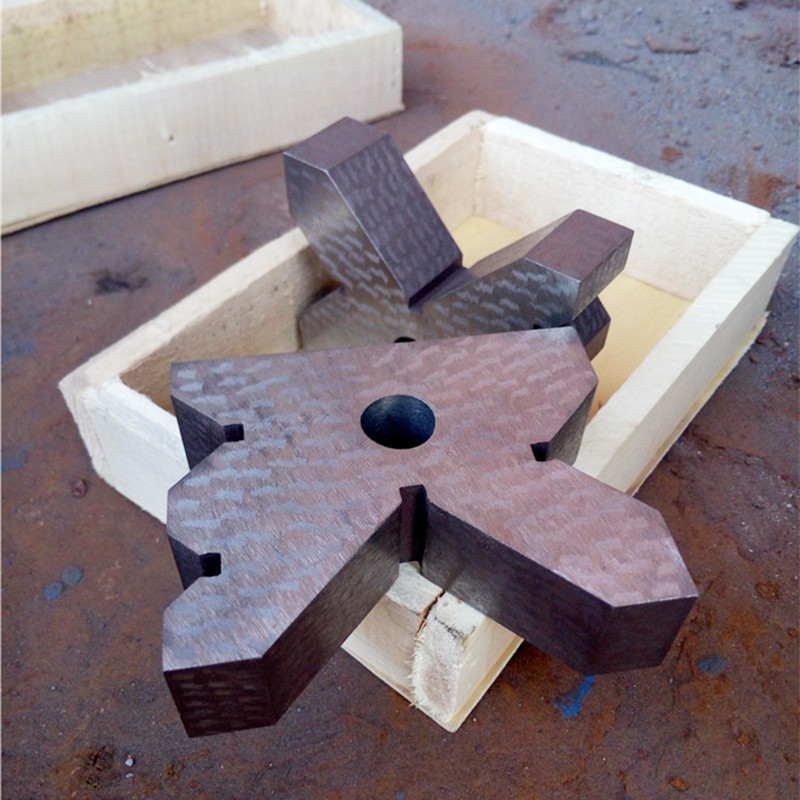
Versatile Clamps for Securely Holding Workpieces on Welding Tables
The Essential Guide to Welding Table Clamps Welding is an integral part of various industries, from
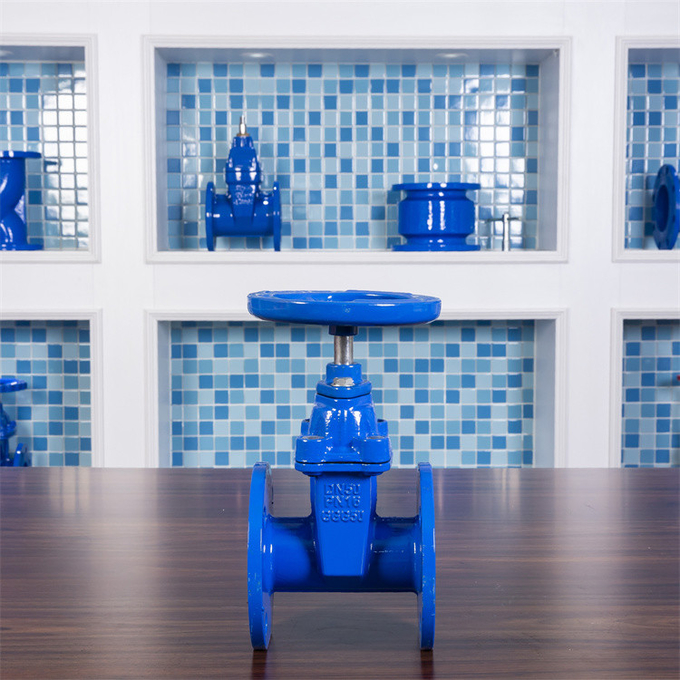
What is the Difference Between Butterfly Valve and Gate Valve
Butterfly valves and gate valves have significant differences in multiple aspects, mainly reflected
Y Type Strainer Cost Comparison and Market Insights for 2023
Understanding the Price Dynamics of Y Type Strainers Y type strainers are essential components in a
 English